High-performance systems engineering.
We design and ship backend systems built to run under real load and real capital: for trading venues, fintech products, and blockchain protocols, including companies like Movement Labs, Parity Technologies, and Notional. No hand-offs, no juniors: every engagement led end-to-end by a senior architect.
Built for systems where failure isn't an option
Six years shipping production infrastructure for trading venues, protocol teams, and financial platforms: consensus systems, execution engines, and security-critical code carrying real capital, architected, implemented, and delivered start to finish. Not always code, either: technical writing and fundraising support are part of the track record too.




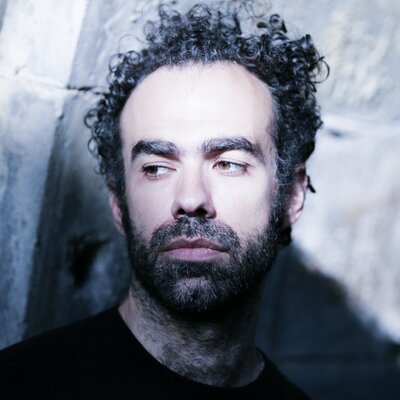
Richard Melkonian
I've spent the last six years designing, architecting, and shipping high-performance, security-critical systems at the highest level of the stack: trading infrastructure, financial technology, and the blockchain and consensus systems where much of that discipline was forged. Not prototypes, not demos: real systems handling millions of transactions a day, running in the wild and standing up under pressure.
I was the second hire at Movement Labs, where I designed their M2 rollup and led the protocol team from blank page to testnet in 3 months, then on to mainnet, peaking at 3 million transactions a day. I took AptosBFT consensus from unit tests to live validator ceremonies, built the USDCx Bridge, and scaled the engineering team around me.
At Parity Technologies I worked deep in the polkadot-sdk: parachain integration, XCM messaging, FRAME pallets. At Dapper Labs I designed and built CAST, an on-chain governance tool for Flow. At Fuel Labs I built cross-chain indexer infrastructure. Every engagement: architect, implement, test, ship.
As Fractional CTO of Inflow Music I built the full stack from DeFi contracts to frontend, led a team of 15 developers, raised $1.5M, and launched on Flow. I know what it takes to go from zero to production with real users and real stakes.
I trained as a classical pianist and composer before moving into software, and that discipline shows up in how I build: rigour, iteration, and an ear for when something's off. I care about systems that hold up under pressure, code that's a pleasure to hand over, and being someone people want to work with twice.
What we build
High-Throughput Systems
Systems engineered to hold up under real load and real concurrency, where a slow path or a race condition is a production incident, not an edge case.
Trading Infrastructure & Market Systems
CLOB engines, exchange integrations, settlement systems, and execution infrastructure running against real order flow, in traditional and on-chain markets alike.
Financial Technology
Payments, settlement, and data systems built to the reliability and auditability finance demands, from ledger logic to the APIs teams build on top of it.
Security-Critical Architecture
Systems designed to withstand adversarial conditions and hold real value, whether that's smart contracts, internal infrastructure, or anything moving capital.
Protocol & Distributed Systems Engineering
Consensus mechanisms, rollups, bridges, and validator infrastructure: a specialism in blockchain and Web3, built on the same distributed-systems fundamentals as everything else here.
Full-Stack Product & Technical Leadership
React and Next.js frontends wired to serious backends, plus CTO-as-a-service: architecture calls, hiring, and hands-on mentoring for teams building at this level.
Not only the code
Engineering is the foundation, but the engagement itself takes several shapes, including the technical writing and fundraising support that's helped clients close real rounds.
Full Product Development
Architecture through to a shipped, production system: not a prototype, not a hand-off. The same person who designs it builds it and stands behind it in production.
Technical Consulting
Architecture reviews, technical due diligence, and build-vs-buy calls for teams and investors who need a straight answer before they commit.
Engineering Management
Hiring, 1:1s, performance reviews, and the day-to-day leadership that turns a group of engineers into a team that ships on schedule.
Design & Implementation
Technical design and the code that implements it, owned by the same person end to end: no gap between what's speced and what ships.
Technical Writing & Fundraising
Whitepapers, technical due-diligence documents, and the technical narrative investors need to fund what you're building. We've helped clients close raises directly off the back of this work.
Why pay agency rates for junior developers?
You get the architect
Every protocol, exchange integration, and trading system is personally designed, reviewed, and shipped by me. No hand-offs to juniors, no offshore teams. The person you talk to is the person building your system.
Production-grade, not prototypes
I've shipped high-performance systems handling millions of transactions a day (trading infrastructure, financial technology, and the consensus protocols and bridges that are my blockchain specialism), running under real load, with real capital at stake.
Direct, accountable, fast
One point of contact who owns the outcome. No account managers, no "I'll check with the team." Feedback in, iteration out, fast.
Senior only. Vetted by outcome.
We work with a small, trusted bench of engineers who've already shipped production blockchain and trading infrastructure elsewhere, not generalists learning on your dime. Brought in project by project, and reviewed personally before they touch your codebase.
Production-tested
Every engineer we bring in has already shipped systems that moved real capital, under real load, with real consequences for getting it wrong.
Protocol-fluent
Consensus, bridges, smart contracts, market infrastructure. Depth in blockchain and trading systems, not a portfolio of one-off gigs.
Personally reviewed
Nobody touches your codebase without their work being reviewed against the same bar we hold ourselves to.
Senior execution. Direct, hands-on, accountable.
Whether you need a protocol engineer, a trading-systems architect, or a technical co-founder for your on-chain product, here's what working together actually looks like.
Regular syncs, your cadence
Weekly or bi-weekly calls as standard. I come prepared with progress, decisions, and questions that need your input. You're never guessing where things stand.
Deeply in the code
I'm not a project manager passing briefs to a team. I'm inside every file, every commit, every architecture decision. When you want to talk technical detail, I can go there immediately.
IRL when it matters
Available for in-person sessions: whiteboarding, workshops, deep-dives. Some of the best product decisions happen in a room, not on a call. I'm up for that.
Business goals first
Tech is a means to an end. Every conversation starts with what you're trying to achieve, not what's technically interesting. The code serves your problem, not the other way around.
Rapid iteration, together
Got feedback at 11pm? I iterate fast. Direction changes, scope shifts, new ideas: they don't derail the project, they improve it.
One person accountable
No account managers. No hand-offs. No "I'll check with the team." You have one point of contact who owns the outcome. That's by design.
Start a conversation
Whether you're building trading infrastructure, financial technology, or a Web3 product that needs senior-level execution, let's talk.
richard@melkonian.xyz